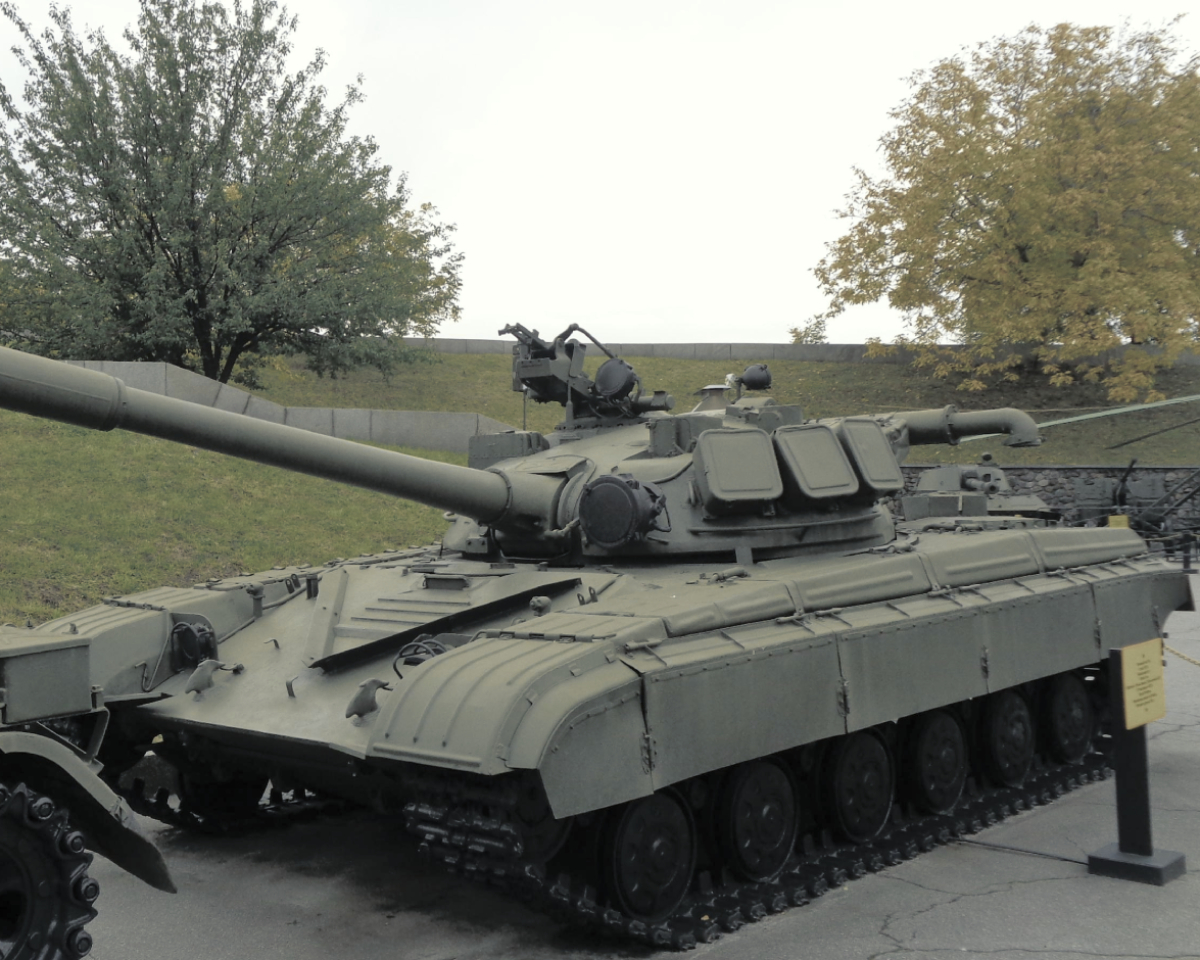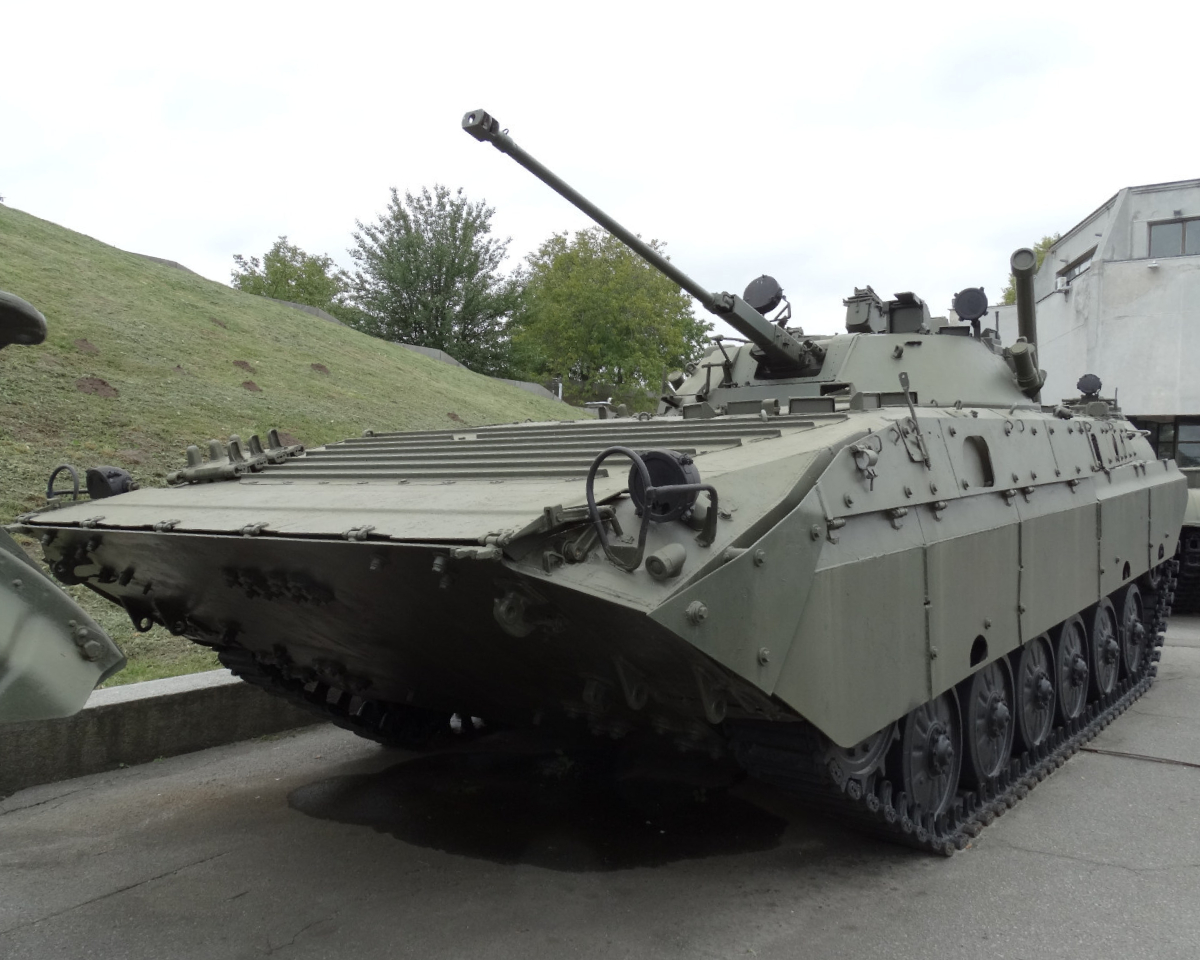

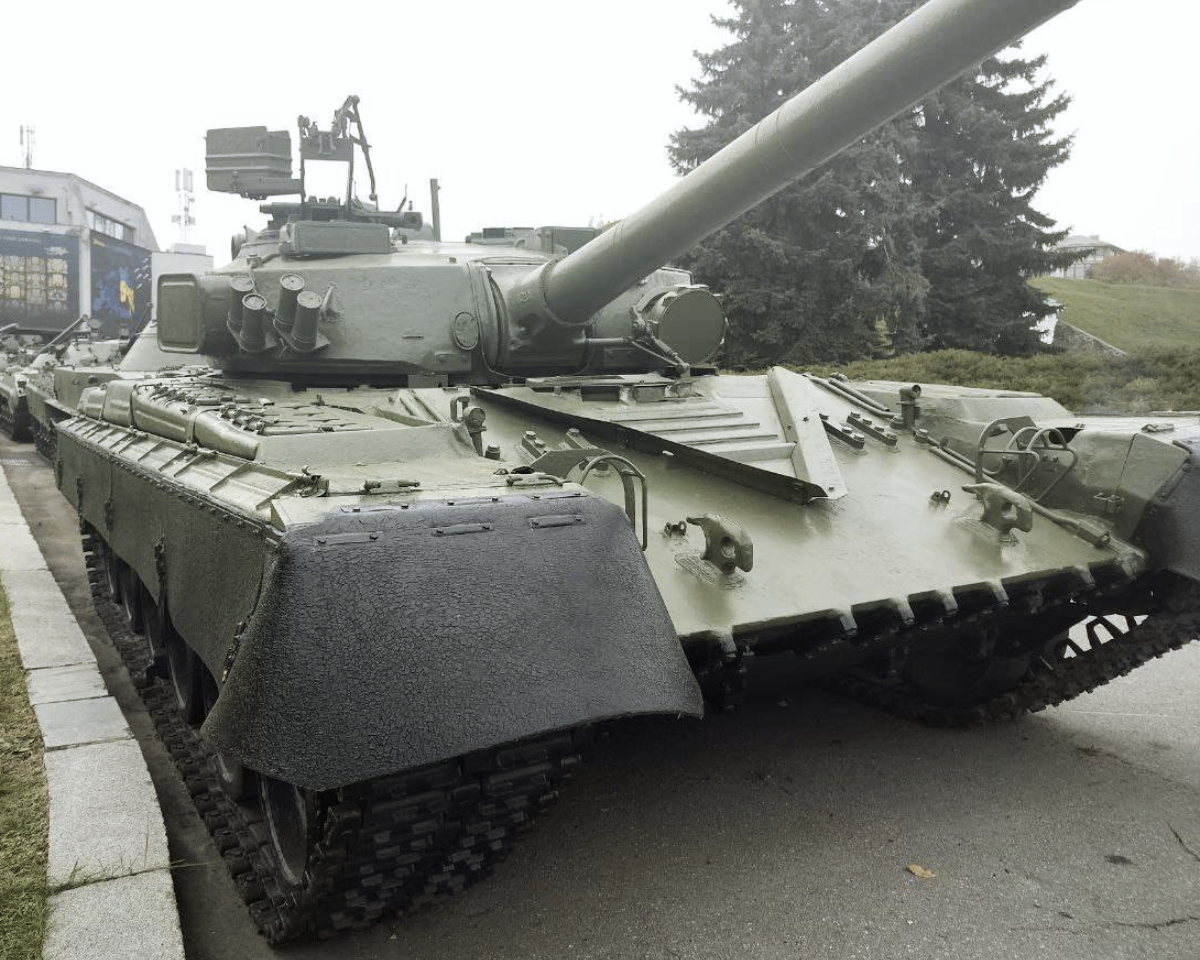
The series of tanks designated with the index «478» began in the 1970s, when the USSR Ministry of Defense assigned the Kharkiv Machine-Building Design Bureau (hereafter simply KhKBM) the task of creating an improved version of the T-80 tank, which by that time was already completed and soon to be produced by the Leningrad Kirov Plant. Although the T-80 was considered a “new” tank, it could hardly be called revolutionary or fundamentally different — the Object 219 sp.2, which was being prepared for production, was essentially a variant of the already mastered and mass-produced T-64A, fitted with a new gas turbine engine (GTD) and a redesigned running gear.
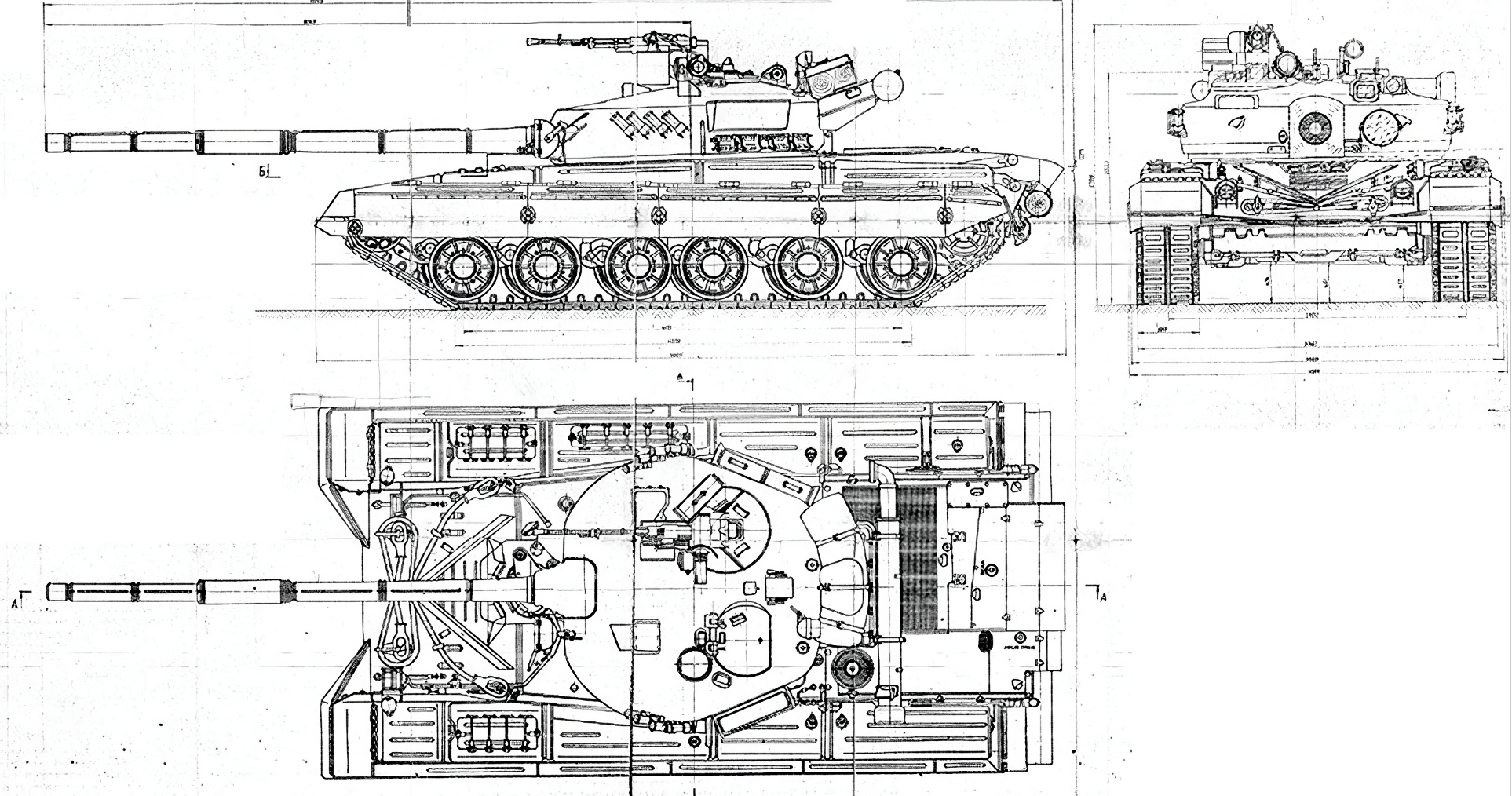
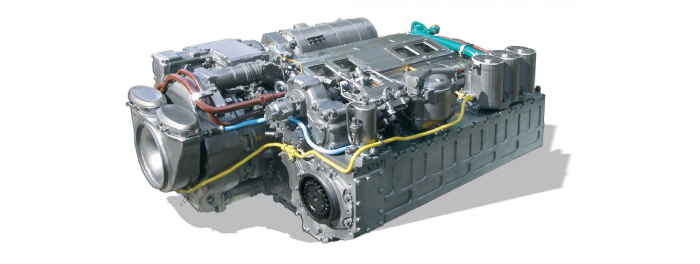
Thus began the development of Object 478, a project that progressed almost in parallel with Object 476, the better-known vehicle. The preliminary design was completed by 1976, one year after Object 476. Like the 476, the 478 received a new engine-transmission compartment with a 6TD-type engine — a two-stroke opposed-piston diesel developed by the Kharkiv Engine Design Bureau in the 1970s under the supervision of the distinguished engineer N. K. Ryazantsev. The 6TD was a direct evolution of the 5TDF engine used in the T-64 series. Compared to its predecessor, the 6TD featured an additional (sixth) cylinder, increased boost pressure, and numerous smaller improvements, such as an upgraded fuel delivery system. Thanks to the measures taken to increase its power, the engine was able to deliver 1,000 hp, catching up in power with the T-80's GTD. In addition, a high level of unification between the 6TD and 5TDF engines was preserved, which made it possible to introduce the engine into service more quickly. As a result, the 6TD engine turned out to be advanced: despite its high specific power, it had extremely compact dimensions for both the engine itself and the engine-transmission compartment. Alongside the 6TD, installation of a promising 12ChN engine with a hydrostatic transmission was also envisioned, but it never reached the prototype stage.
They also did not forget to improve the tank’s armor protection by installing a new turret. The cupola was developed by the armor-protection department of KhKBM, and the protection approach used in it was entirely different. Unlike previous designs, where the fillers of cast turrets consisted of ultraporcelain inserts, as in the T-64, or sand rods, as in the T-72A — in Object 478 a semi-active cellular filler was used. The designers experimented with various filler options, ranging from fiberglass to concrete, but ultimately settled on cells filled with a special polymer. This approach to armor protection directs the energy of a shaped-charge jet in such a way that it destroys the jet itself. The principle of action is that the energy of the leading wave that arises in the filler material when the shaped-charge jet enters it, after being reflected from the cell wall, causes intense motion of the filler material toward the jet. The lateral impact on the jet breaks up its individual elements and correspondingly reduces its penetration capability. Compared to fiberglass, this approach reduces the size of the armor package by 15% and its weight by 30% while achieving the same resistance to shaped-charge munitions. Compared to steel, weight savings of up to 60% can be achieved while maintaining similar dimensions and equivalent protection.
On the tank, the turret’s armor layout has an overall thickness of 550 mm (within a frontal arc of up to 35 degrees). The first element a projectile encounters is the 100 mm outer wall, followed by a 260 mm cellular filler, and behind it a 190 mm steel back plate. The resistance to shaped-charge jets reached the equivalent of 520 mm, while against kinetic penetrators the new turret confidently withstood point-blank hits from the BM-15 and BM-22 rounds. Compared to the turrets of the T-64A and T-80, the installation of the new turret more than halved the area of weakened zones in the frontal projection.
In order to increase the tank’s firepower, an automated fire-control system with the index 1A33 was implemented, similar to that of the T-64B, which began entering service in the same year, 1976. At the same time, like the T-64B, the tank was equipped with the «Kobra» guided weapons system, thus becoming a tank with both missile and cannon armament. This significantly enhanced the effectiveness of its fire and the probability of destroying enemy tanks.
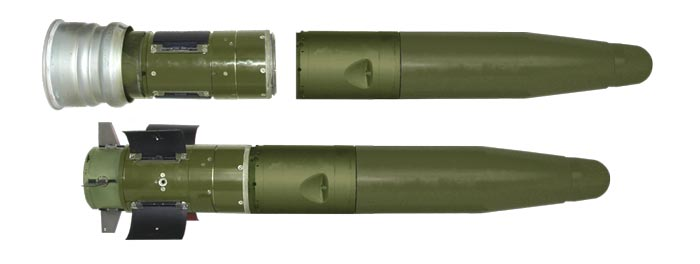
The 9K112 «Kobra» guided weapons system, like the 1A33 fire-control system, is designed to ensure effective firing from the gun at tanks and other armored targets moving at speeds of up to 75 km/h, as well as at small-sized targets from both stationary positions and on the move, at tank speeds of up to 30 km/h, at ranges from 500 to 4,000 meters, provided the gunner has direct visual contact with the target through the sight-rangefinder and tracking device. The 9K112 complex includes the 9M112 guided projectile, the 9V387 control-circuit unit, the 9I36 kit, and the 9S461 ground control equipment. The guided-weapons system equipment is installed in the fighting compartment of the tank as separate removable modules. The flight of the 9M112 guided projectile is controlled via a radio command link. The 9S461 control equipment has five frequency channels and two control-signal codes. Feedback from the projectile to the tank’s control equipment is provided automatically by a modulated light source (emitter) installed onboard the projectile. The projectile consists of two sections placed in the autoloader trays and joined together in the tray during ramming into the gun chamber. The projectile is equipped with crescent-shaped wings that unfold after leaving the barrel, generating lift and imparting rotational motion around its longitudinal axis during flight. The projectile’s steering fins serve as its control surfaces in flight.
Alongside Object 476, the tank underwent the full range of testing; however, due to fate and decisions by the highest leadership, such a tank with a number of important innovations that would have made it the best tank of its time was never seen by the Soviet Army. The Kharkiv Transport Engineering Plant (HZTM) produced two prototype units, and only one has survived to the present day, manufactured in November 1981. It is now on display in our Museum of War History in Kyiv.